A special color set to maximize results

HIGHLY LIGHT-SENSITIVE PROCESSES

Highly light-sensitive processes, such as those in semiconductor manufacturing, photolithography, and pharmaceutical production, require specific lighting solutions to prevent damage or degradation of sensitive materials. Exposure to inappropriate wavelengths—particularly ultraviolet (UV) and blue light—can trigger unwanted chemical reactions, compromise product quality, or ruin precision processes.

To ensure process integrity and product reliability, tailored lighting systems with controlled spectra, such as filtered yellow lighting, are essential. These solutions minimize the risk of light-induced errors while supporting safe and effective operation in critical clean room and laboratory environments.

The importance of controlled spectral solutions

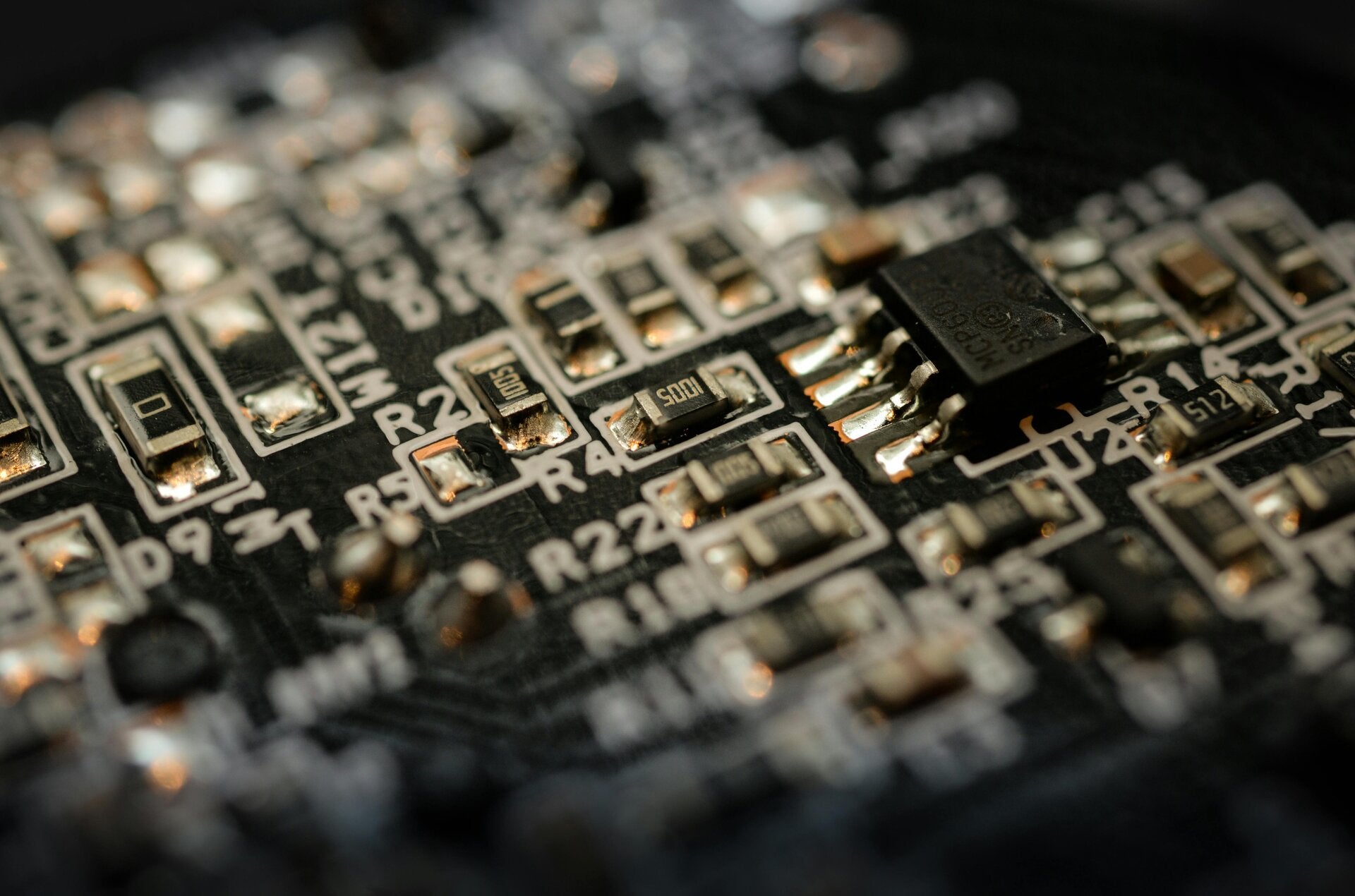
In integrated circuit (IC) production, yellow light is used in clean rooms to protect photo-resist materials during photo lithography. These materials are sensitive to ultraviolet (UV) and blue light, which can damage them and disrupt chip pattern accuracy. Yellow light, with its longer wavelength, doesn't affect the photo-resist, ensuring the precision of semiconductor devices.

Similarly, in the pharmaceutical industry, yellow light is used in the production of medications to protect light-sensitive compounds. Many active ingredients can degrade or lose effectiveness when exposed to UV or blue light. By using yellow light, which filters out harmful wavelengths, manufacturers can maintain the stability and quality of the drugs, ensuring their effectiveness and compliance with safety standards.

In both industries, yellow light helps preserve the integrity of sensitive materials and products.

Controlled light environment

A controlled lighting environment is essential in photosensitive applications like IC and pharmaceutical production, where exposure to UV and blue light can damage materials or cause unwanted chemical reactions. In IC manufacturing, the wrong light can harm photo-resists and ruin circuit patterns, while in pharmaceuticals, it can reduce the stability and effectiveness of certain drugs. Using filtered light, such as yellow or low-intensity lighting, helps protect these sensitive processes and ensures high product quality.

Since people work in these areas for long periods, the lighting must also be comfortable to support productivity and safety.

Therefore, a proper lighting system must balance both technical protection and human comfort. Key factors that affect lighting quality include illuminance, uniformity, color temperature, color rendering, glare, flicker, and spectrum selectivity.

CCT - Correlated Colour Temperature (Tcp)

Correlated Color Temperature (CCT) is a crucial factor in lighting design for photosensitive applications such as semiconductor and pharmaceutical production, especially in environments where people are present. In these fields, even minimal exposure to inappropriate wavelengths of light can degrade sensitive materials or trigger unwanted chemical reactions. Selecting lighting with an appropriate CCT—typically lower (warm white) or specifically filtered light—helps minimize the emission of harmful blue and UV wavelengths. This not only protects sensitive processes but also ensures a safe and productive environment for workers by reducing eye strain and maintaining proper visibility. Thus, careful control of CCT supports both process integrity and human well-being.

CRI - Colour Rendering Index (Ra)

Color Rendering Index (CRI) is a key consideration in lighting for photosensitive environments like semiconductor and pharmaceutical production, especially in areas where people are present. CRI measures how accurately a light source reveals the true colors of objects compared to natural light. In these settings, high CRI lighting (typically CRI 90 or above) is important not only for visual inspections and quality control but also for ensuring that color-coded components, labels, or warning indicators are easily and accurately distinguishable. At the same time, lighting must be carefully selected to avoid spectra that could harm photosensitive materials. Balancing high CRI with controlled spectral output ensures process reliability, product quality, and a safe, visually effective workspace for personnel.

Would you like a version that focuses more on technical lighting standards or compliance guidelines?

UGR - Unified Glare Ratio

Unified Glare Rating (UGR) is an essential factor in lighting design for photosensitive production environments such as semiconductor and pharmaceutical facilities, particularly in areas where people are working. UGR quantifies the discomfort caused by glare from luminaires within a space. In high-precision settings, where visual accuracy is critical and workers often focus on detailed tasks for extended periods, low-glare lighting (typically UGR < 19) is vital. Reducing glare not only minimizes eye strain and fatigue but also enhances concentration and reduces the risk of errors. In photosensitive environments, managing UGR contributes to both human comfort and operational safety, supporting consistent, high-quality outcomes without compromising sensitive materials.

FF - Flicker

Flicker is a critical lighting parameter in photosensitive production environments like semiconductor and pharmaceutical facilities, especially where personnel are present. Flicker refers to rapid fluctuations in light output, often invisible to the naked eye, that can cause eye strain, headaches, and reduced concentration over time. In high-precision settings, even low-level flicker can affect visual tasks and contribute to worker fatigue, increasing the risk of mistakes. Additionally, some photosensitive processes can be negatively influenced by light modulation. Using high-quality, flicker-free lighting ensures a stable visual environment, protecting both worker health and the integrity of sensitive production processes.

Spectrum selectivity

Spectrum selectivity, including the exclusion of both blue light and ultraviolet A (UVA) radiation, is crucial in photosensitive environments like semiconductor and pharmaceutical production. Blue light (400–500 nm) and UVA (320–400 nm) can trigger photochemical reactions that degrade sensitive materials, compromise the quality of products, and interfere with production processes. UVA radiation, while less harmful than UVC, can still cause the deterioration of light-sensitive compounds, affecting the integrity of sensitive operations. To mitigate these risks, lighting systems are designed to limit or eliminate these wavelengths, ensuring that the production environment maintains the highest level of quality and process control. By using spectrally selective lighting that reduces blue and UVA exposure, the integrity of the products and processes is preserved.

Controlled-spectrum LED technology

LED lighting with controlled spectrum offers a precise and energy-efficient solution for blue-sensitive applications, such as photolithography, pharmaceutical production, and certain biological processes.

These applications require strict exclusion of blue and ultraviolet (UV) wavelengths to prevent unwanted chemical reactions or material degradation. LED technology allows for fine-tuned spectral output, enabling the use of safe wavelengths—such as amber or yellow light—while maintaining high visibility and operational efficiency.

By eliminating harmful blue light and offering customizable control, LED-based lighting ensures optimal performance and protection in sensitive environments.

Our solutions

Our company is dedicated to the research and development of high-tech LED lighting solutions tailored to meet the growing demands of photosensitive applications. By combining advanced materials science with precision engineering, we design LED systems that offer controlled spectra, stability, and energy efficiency.

Our focus is on enabling industries such as semiconductor manufacturing, biomedical imaging, and photolithography to achieve optimal performance and reliability. As market needs continue to evolve, we remain committed to innovation, delivering cutting-edge lighting technologies that support the highest standards of sensitivity and precision.

Products and services

Explore everything we have to offer.

Areas of use

Semiconductors production

Pharmaceutical production