

Light your way
SAFETY FIRST
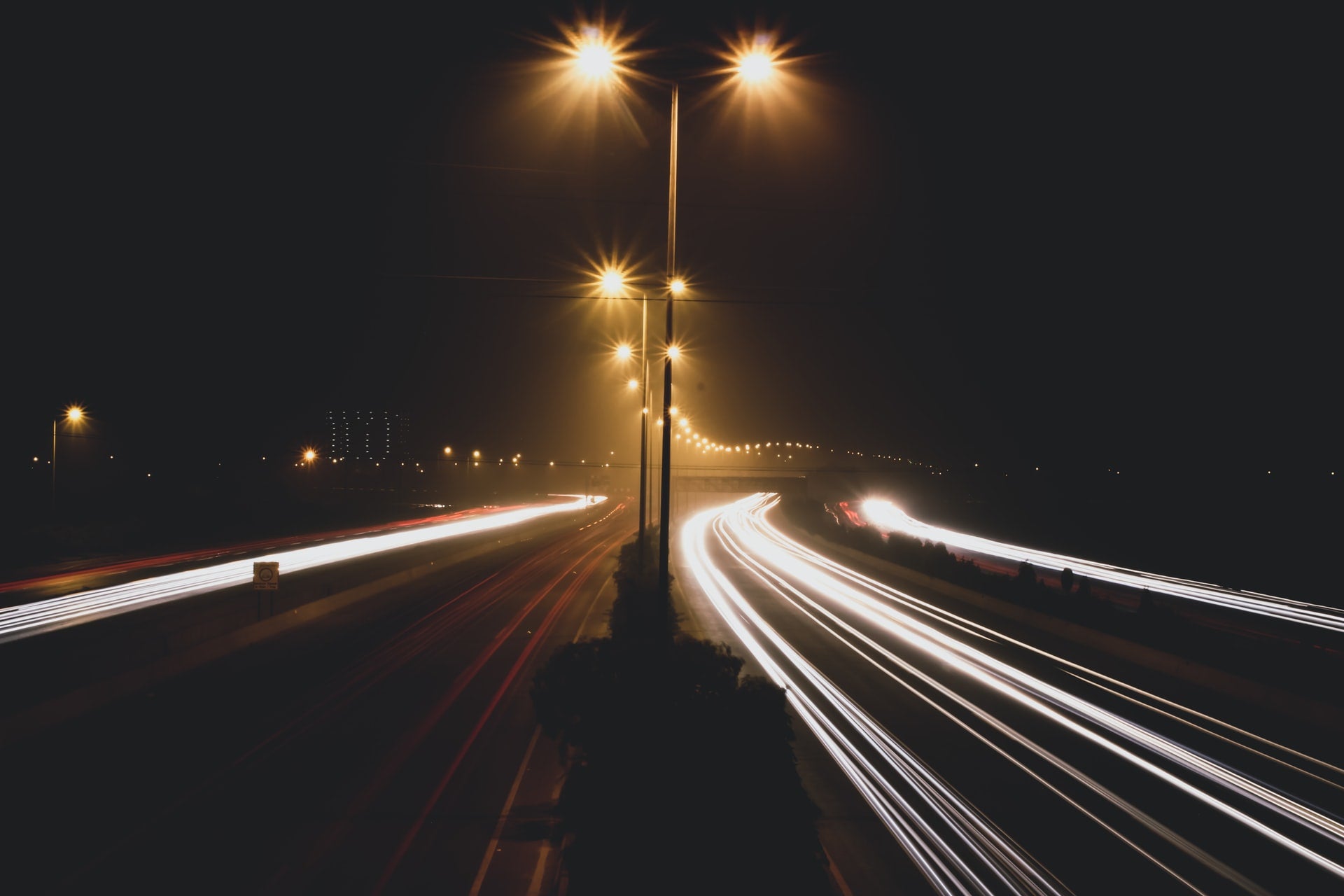
The main objective of outdoor lighting is to responsibly provide the urban landscape with a suitable environment for the benefit of society, allowing as many people as possible to enjoy these spaces safely and comfortably. Our white light provides security and communicates an atmosphere of well-being, while protecting available resources.
Our outdoor lighting solutions are not only the perfect solution for public lighting, but are also used next to buildings, as well as in green spaces and open areas.
Safety-focused lighting
The main focus of outdoor lighting is on people, ensuring the necessary safety conditions so that they can move around and enjoy the different types of outdoor spaces, whether for work, sports or simply leisure activities.
These objectives must be achieved without in any way compromising the balance of the different existing ecosystems, minimising environmental impact. In this sense, issues such as light pollution and the colour of the light used play a central role in the design of a solution of this nature.
The most important factors in a project of this type are the amount of light provided, uniformity, colour rendering, colour temperature and glare. The relative importance of each depends on the final application, namely whether it is a motorway, an intersection, a residential area or simply a pedestrian zone.


Our solutions
Our company offers road and public lighting solutions and services with a focus on people's safety.
Our lighting systems are designed to provide consistently excellent visibility on roads, at junctions and in urban areas, helping to prevent accidents and improve safety for drivers and pedestrians. All of this is carried out in scrupulous compliance with the applicable standards and recommendations. We use high-efficiency LED technology that guarantees long-lasting and economical lighting, even in adverse conditions.
Products and services
Explore everything we have to offer.
Areas of use

Roads

Pedestrians

Historical
